Vacuum Furnaces in Ceramic Sintering: Core Advantages for High Purity & Low Porosity
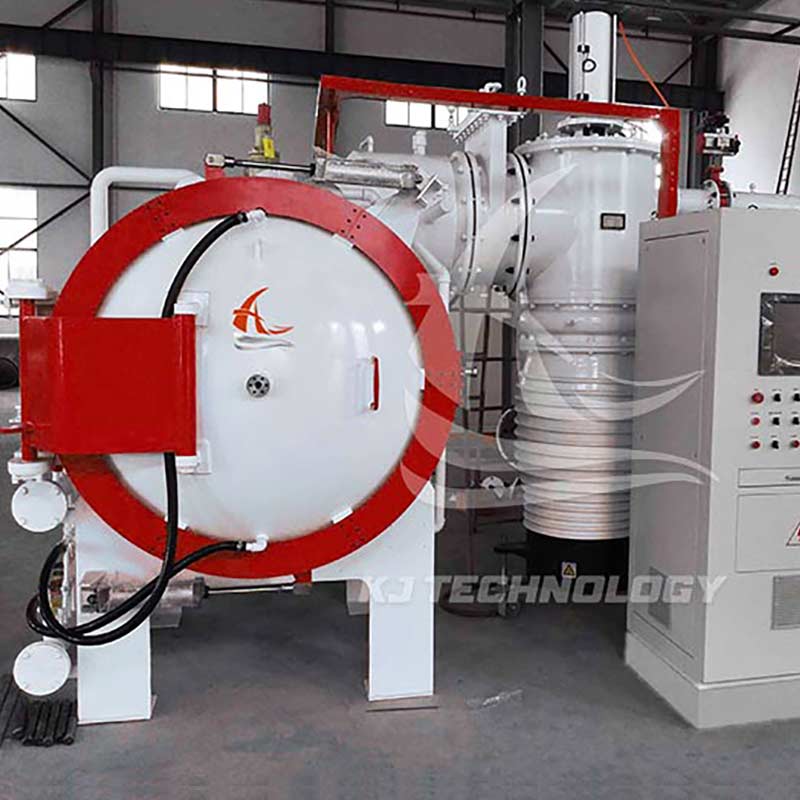
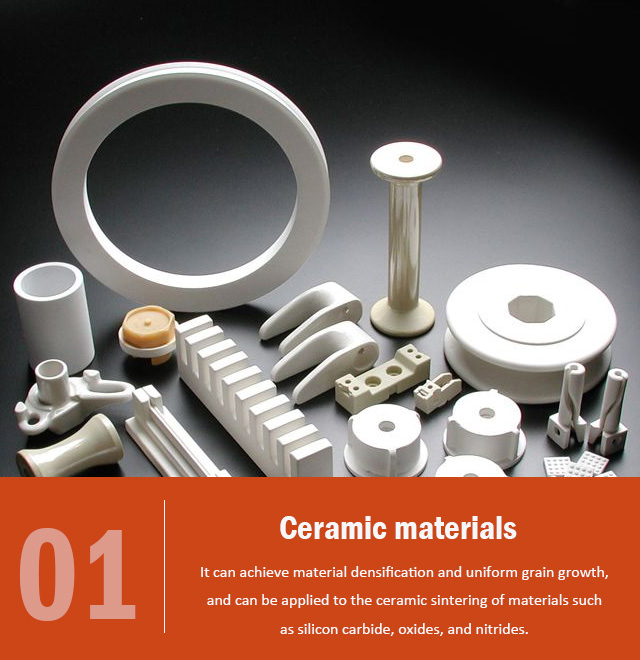
1. Introduction: Core Technical Requirements for Ceramic SinteringThe performance limits of ceramic materials are directly related to their microstructures. High purity determines the material's chemical stability, mechanical strength, and special functions (such as insulation and thermal conductivity), while low porosity is crucial for improving density and reducing defects. In traditional atmospheric sintering or gas-protected sintering processes, ceramic green bodies are prone to oxidation, component contamination, or residual porosity due to the influence of oxygen, water vapor, and impurity gases. Relying on its airtightness, atmosphere controllability, and pressure regulation capabilities, the vacuum furnace has become a core equipment to address the above pain points. Through a unique technical path, it achieves a dual breakthrough in "high purity" and "low porosity", driving the application upgrade of high-end ceramic materials in electronics, aerospace, medical care, and other fields.2. Core Paths for Vacuum Furnaces to Achieve High-Purity Sintering2.1 Impurity Isolation Mechanism in Vacuum EnvironmentVacuum furnaces use a combination of mechanical pumps and diffusion pumps to reduce the pressure inside the furnace to the order of 10⁻³~10⁻⁵Pa, creating an environment with almost no gaseous medium. This process fundamentally cuts off the contact between oxidizing or polluting gases (such as oxygen, nitrogen, and carbon dioxide) and the ceramic green body. On one hand, it prevents metal oxides (e.g., Al₂O₃, ZrO₂) from secondary oxidation with oxygen at high temperatures or reaction with water vapor to form hydroxide impurities. On the other hand, it reduces the adhesion and contamination of suspended particles in the air (such as dust and carbon particles) on the surface of the green body. For ceramics containing volatile components (e.g., Si₃N₄, BN), the vacuum environment can also accelerate the volatilization of impurities (such as low-melting oxide impurities), which are collected and removed through the furnace condensation system, further improving material purity.
Aerospace Field: SiC ceramic matrix composites undergo vacuum hot-pressing sintering, resulting in a porosity of <2% and a high-temperature resistance improved to over 1600℃, which can be used in engine combustion chamber components.
Medical Ceramic Field: After vacuum sintering, zirconia bioceramics have a porosity of <1%, with enhanced biocompatibility, and their mechanical strength meets the standards for medical implants.5. Conclusions and ProspectsThrough a multi-dimensional technical path of "vacuum isolation - atmosphere control - pressure enhancement - uniform heat transfer", vacuum furnaces fundamentally solve the core problems of insufficient purity and high porosity in traditional sintering, becoming a key equipment for the preparation of high-end ceramic materials. In the future, with the in-depth integration of vacuum technology and sintering processes (such as vacuum microwave sintering and vacuum plasma sintering), the sintering efficiency and material performance will be further improved. This will drive ceramic materials towards higher purity, lower porosity, and better performance, expanding their application boundaries in extreme environments, precision manufacturing, and other fields.
Zhengzhou KJ Technology Co., Ltd. is a high-tech enterprise specializing in the research, development and sales of heat treatment products. Our products cover muffle furnaces, tube furnaces, vacuum furnaces, atmosphere furnaces, CVD/PECVD systems, dental furnaces, bell type furnaces , trolley furnaces, etc., which are widely used in metallurgy, vacuum brazing, ceramic sintering, battery materials, metal processing , parts annealing, additive manufacturing, semiconductors, scientific intelligent instrumentation, aerospace and industrial automatic control systems and other different fields.Please feel free to contact us.WhatsApp: +86 18037178440
Email: web@kejiafurnace.com
 English
 简体中文
简体中文 Русский язык
 Français
 日本語
日本語 한국어
한국어 Português
 Español
 Website navigation
 Position:


 Send E-mail:web@kejiafurnace.com
 Wechat/Whatsapp: +86 18037178440
 Company Tell: +(86)18037178440





 E-mail:web@kejiafurnace.com
 Tell:+(86) 18037178440
 Whatapp:+(86) 180-3717-8440
 Address:Room 1505, Building 9, No. 26 Dongqing Street, Zhengzhou High-tech Industrial Development Zone


